
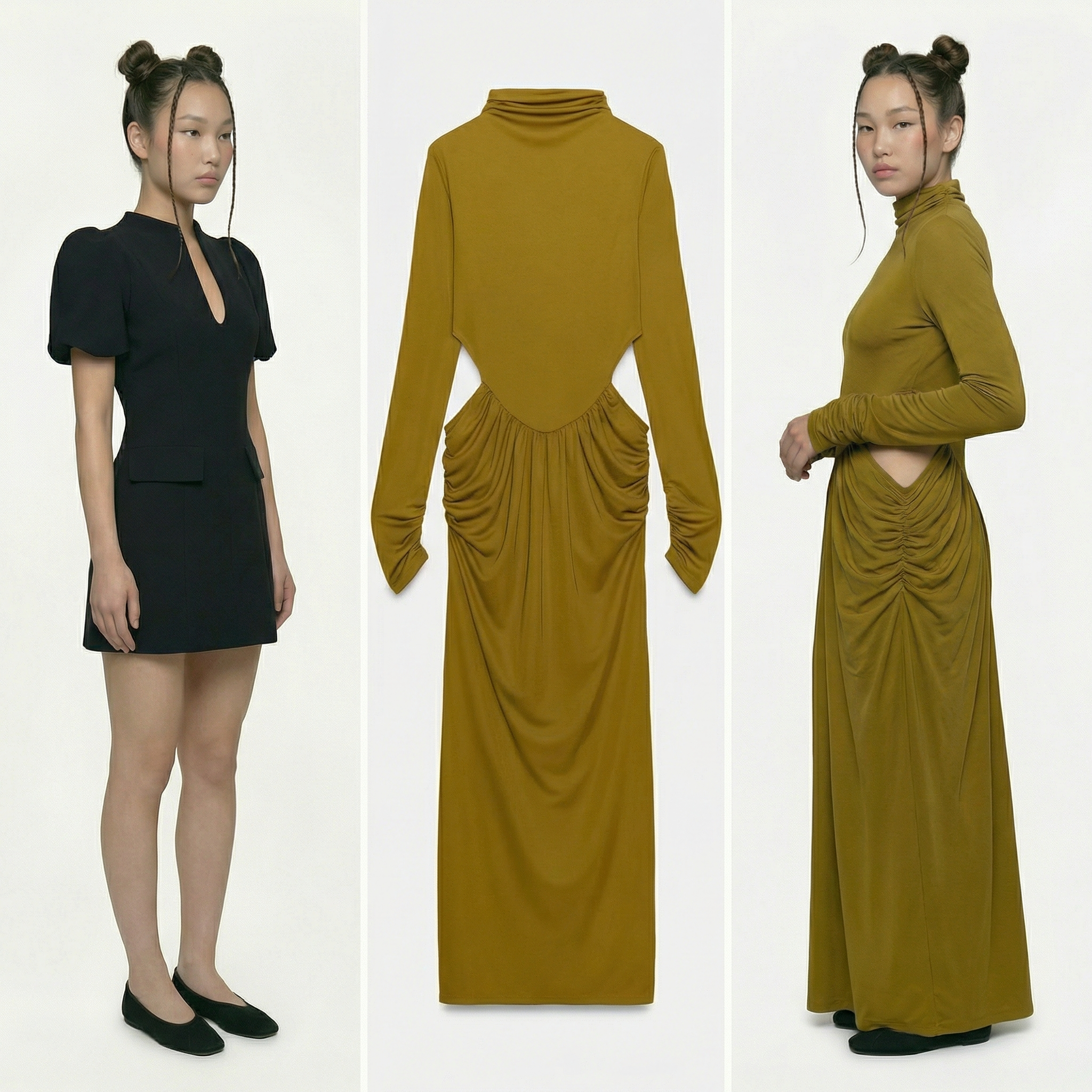
How Yakutia-rooted LOOKSY built virtual try-on and AI production for brands.
Discounts, ads, and assortment all matter—but if a shopper is not sure an item will fit, they close the tab. Virtual try-on is moving from a “nice extra” toward a baseline expectation, first for large players, now for mid-sized brands too.
LOOKSY grew in that context: a team with Yakut roots making virtual try-on and neuro-production accessible not only to market giants but to mid-scale apparel brands. The goal is practical—make online try-on a normal part of the journey and make catalog content faster and cheaper than classic shoots.
Try the experience in the bot https://t.me/looksy_tech_bot.
Founder Kirill Pegov puts it plainly:
“AI will quietly simplify business processes—in sales and in content. Our job is to speed up that shift and keep the tools understandable for brands living in the real economy, not just in pitch decks.”
Virtual try-on is not about a wow moment—it is about trust. International brands have experimented with AI try-on in apps; large Russian marketplaces have shipped similar features. Mid-sized brands often lacked budget and integration capacity to build in-house. LOOKSY targets that gap.
Virtual fitting: the key difference is sizing
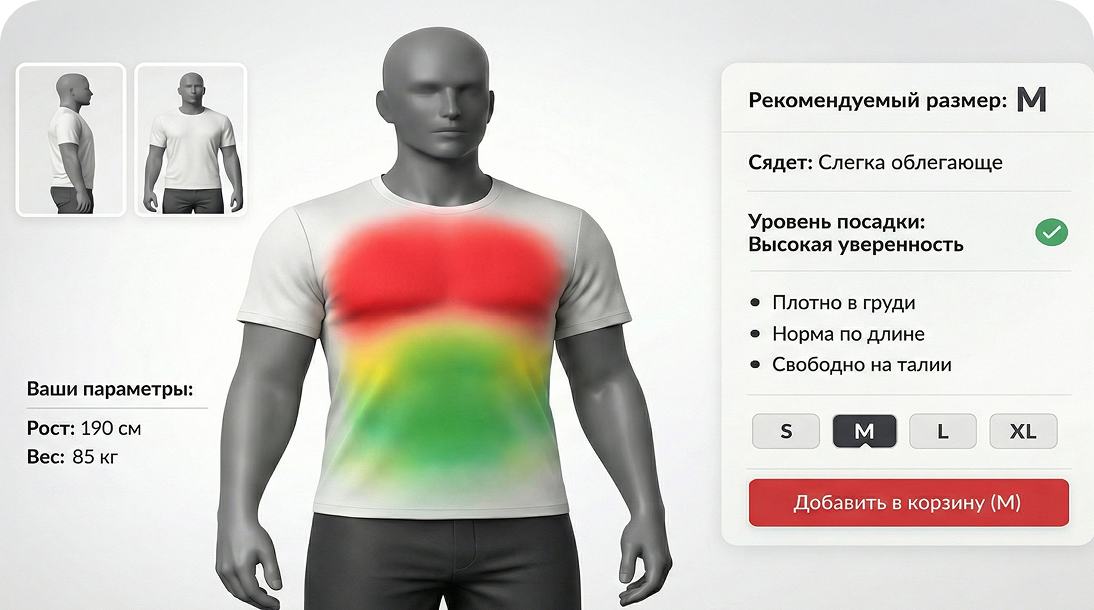
“Try-on” often evokes a pretty picture on a model. That helps, but it does not answer “will it fit?”. LOOKSY focuses on an AI fitting room that is size-aware: it helps assess fit and recommends a size, not only visualization.
The flow is grounded: basic parameters (e.g. height, sex), optional extras (weight, body type, measurements), a photo upload—and guidance on how the garment will sit. Results include a confidence level, because real-world sizing is always probabilistic: brands use different blocks, fabrics behave differently, and fit preferences vary.
In industry terms this is close to what people call virtual try-on: closer to an offline decision, only online and faster—for brands and sellers that usually means fewer doubts on the product page and a clearer path to purchase.
AI production: content that does not eat the whole budget
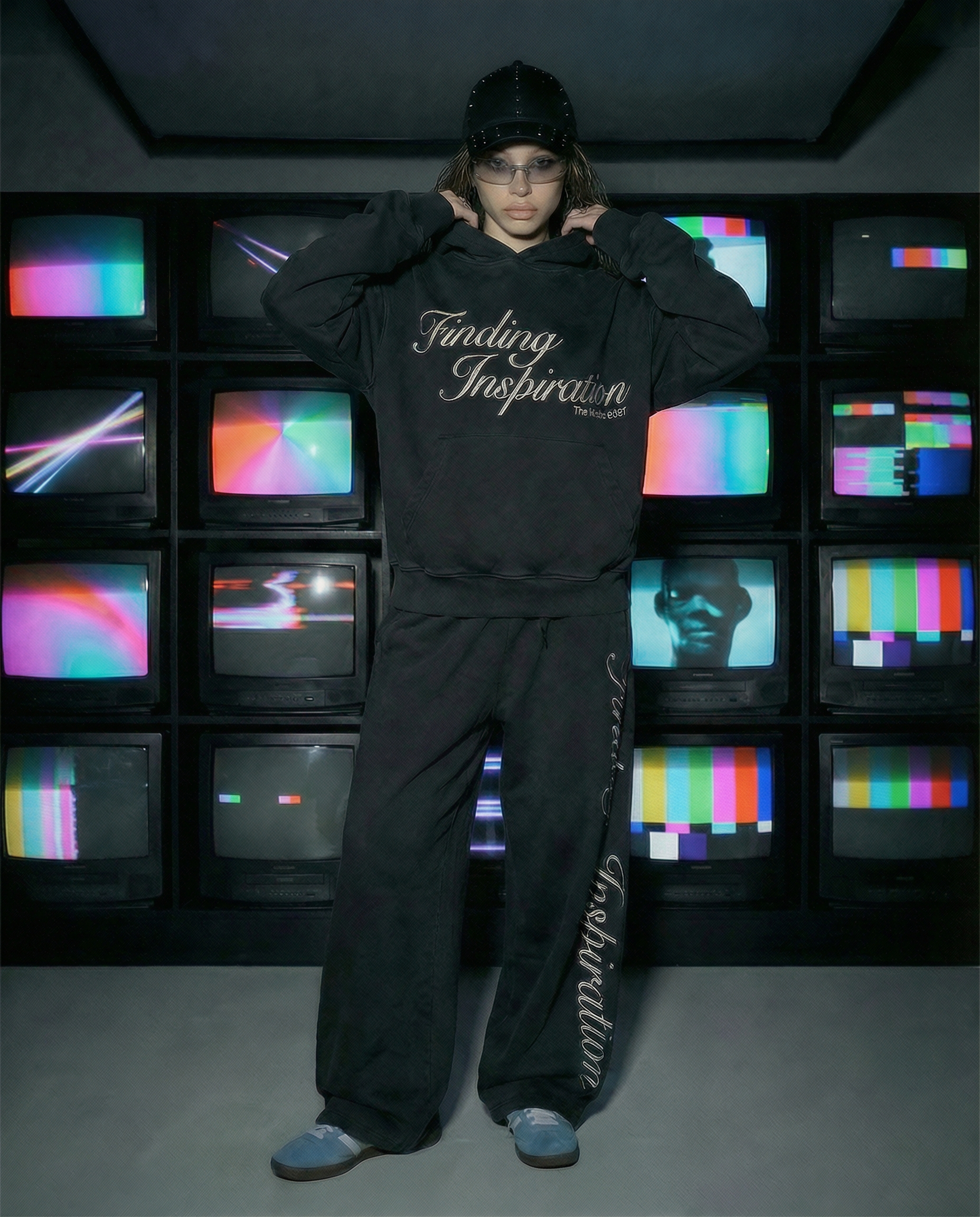
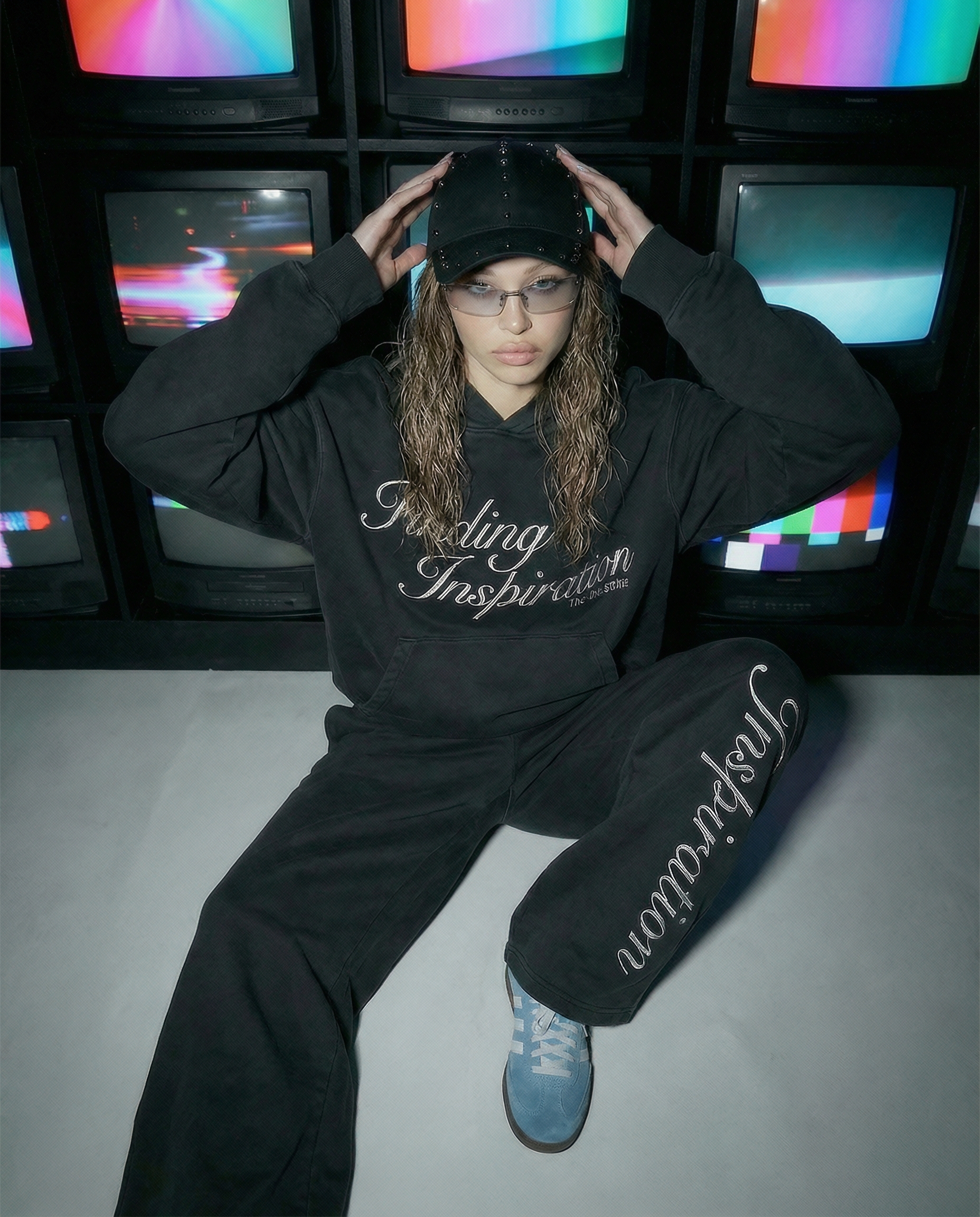
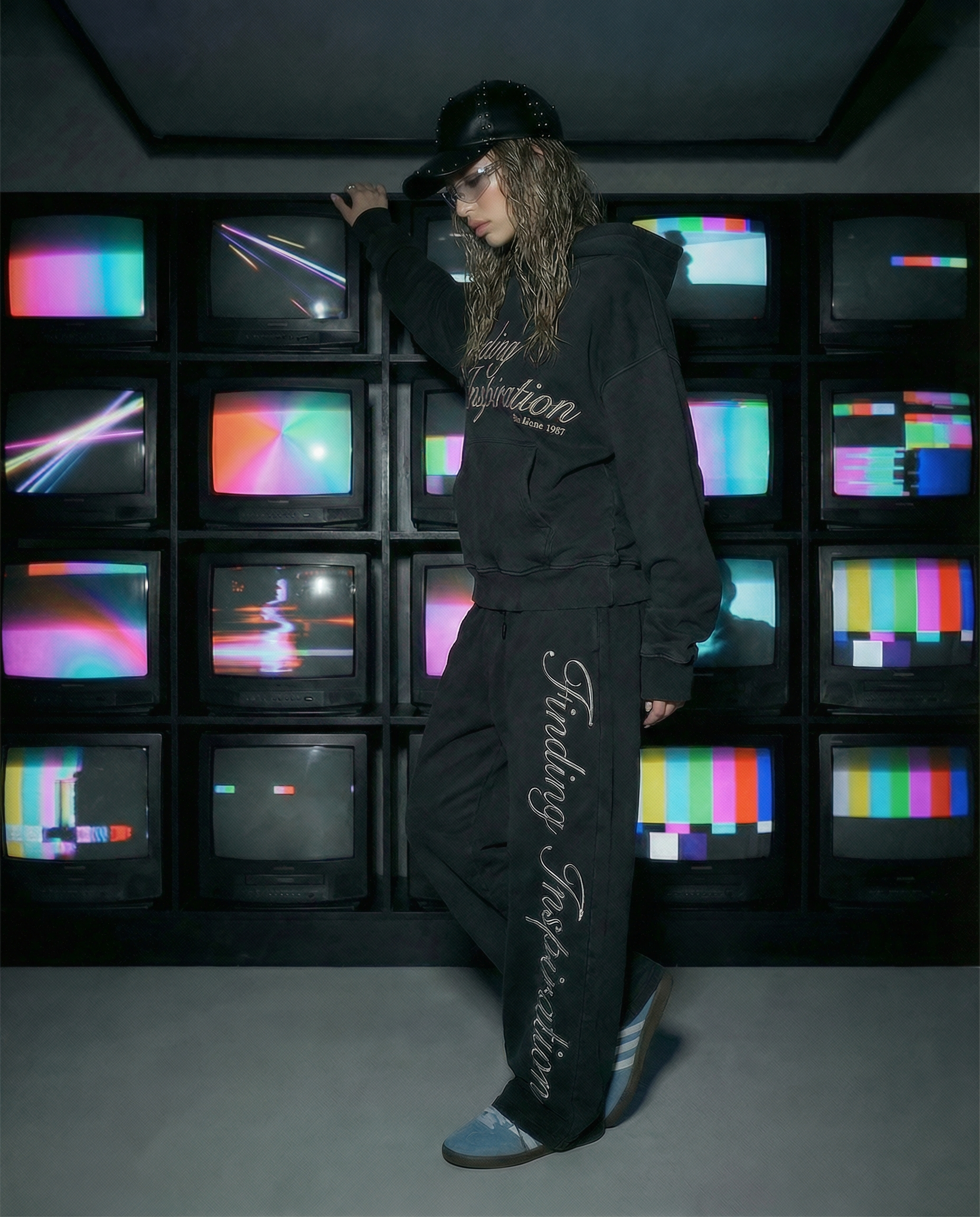
Every collection launch needs fresh site and social content. Classic production delivers quality but costs time and money—studios, models, logistics, reshoots.
LOOKSY’s second pillar is an AI content stack: photorealistic model shots for catalogs and campaigns, plus AI video where garments move—fabric, silhouette, drape. In e-commerce, that often communicates more than copy.
Workflow stays structured: brief (model types, locations, tone, use case), moodboard approval, then production—with staged sign-off so the visual world is agreed before final styling and full shot sets.
Where fashion AI is heading
Tools that used to belong to the largest players are becoming reachable for the mid-market. Online apparel shopping is slowly less of a gamble—more confidence, fewer reasons to “decide later”. Virtual fitting and neuro-production are less of a trend experiment and more of a steady answer to how the market actually buys.