
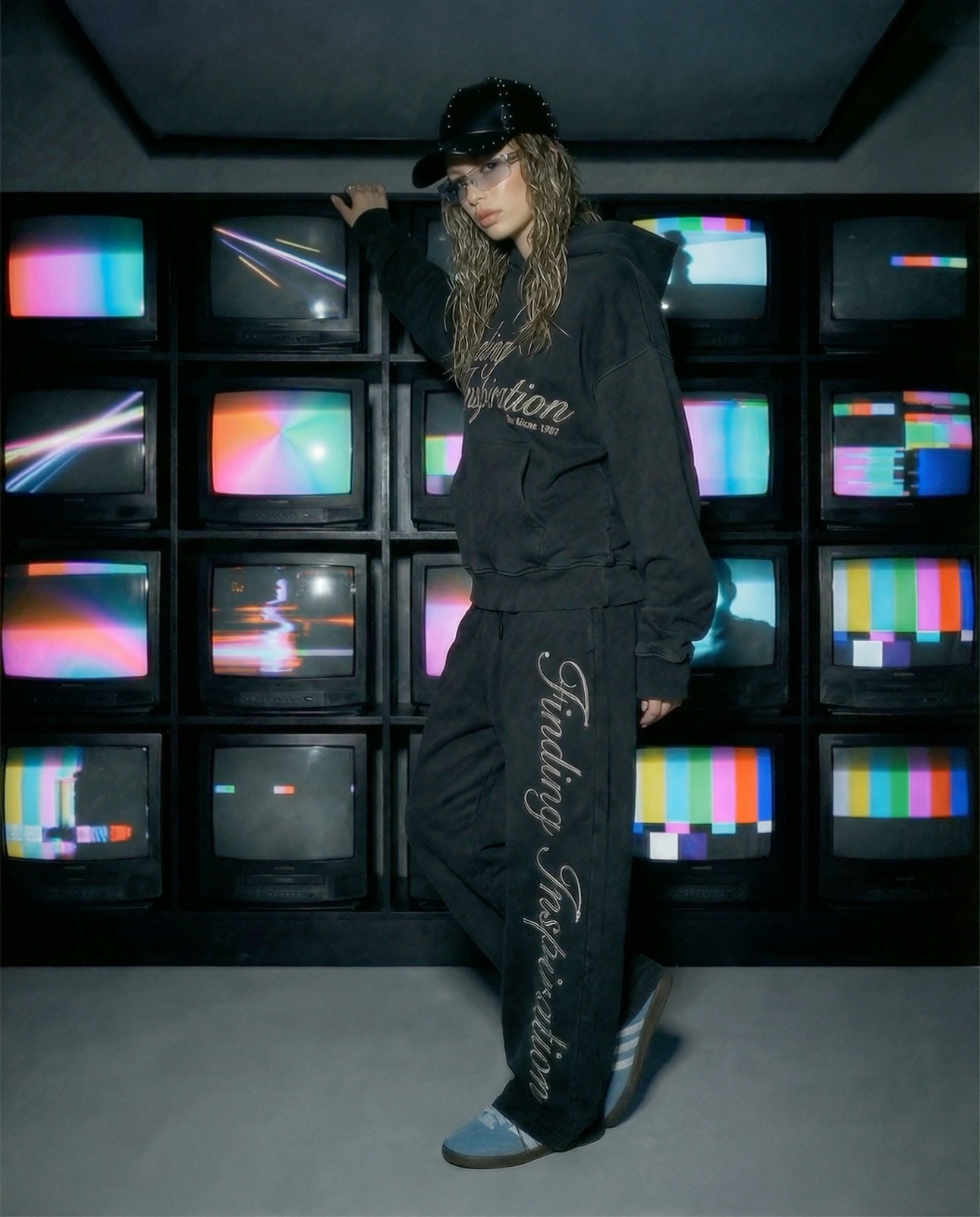
Apparel e-commerce keeps growing, yet clothing remains a smaller share than it could be—because shoppers fear buying without trying. When someone hesitates, they order multiple sizes, return the rest, or leave entirely. Each return hits margin: two-way shipping, QC, repack, markdowns.
Virtual fitting lets customers see an item on themselves before paying—not a gimmick, but a way to remove the main purchase blocker.
Visualization vs sizing
Fashion tech often mixes two jobs:
- Visualization — how the garment looks on the shopper;
- Sizing — which size to buy.
Modern stacks combine AI image generation with ML fit signals (including heat-map style fit hints). LOOKSY pairs a compelling visual with honest fit guidance.
Solution types
| Approach | What it does | Typical inputs | Where it shows up |
|---|---|---|---|
| Fit predictor | Recommends size from body data | Height, weight, measurements, order history | All channels |
| AI photo try-on | Neural render of user + catalog garment | User photo, packshot | PDPs, bots, mini-apps |
| AR camera try-on | Live camera overlay | Camera, 3D asset | Apps, some social |
| 3D avatar + fit map | Body model + tension / ease map | Photo, brand size chart | DTC sites, widgets |
Metrics virtual try-on can move
| Metric | Typical directional change | Why |
|---|---|---|
| Conversion (CR) | Up ~20% | Less fear of wrong size |
| Abandoned carts | Down up to ~35% | Clearer, more engaging PDP flow |
| Time on site | Up ~30% | Exploring outfits |
| Support tickets | Down up to ~20% | Fewer “what size?” questions |
| LTV | Up ~28% | Successful first fit → repeat orders |
Simple ROI sketch (illustrative, USD)
| Parameter | Before | After (example) |
|---|---|---|
| Orders / month | 1,000 | 1,000 |
| Average order value | $40 | $40 |
| Gross margin | 50% | 50% |
| Return rate | 30% | 20% |
| Cost per return (logistics + handling) | $5 | $5 |
| Purchase conversion | 2.0% | 2.3% |
Illustrative delta: 10 pp fewer returns on 1,000 orders ≈ 100 returns avoided × $5 ≈ $500/month logistics savings; plus incremental margin from higher CR on the same traffic. Plug in your own AOV, return rate, and fulfillment costs.
Pilot design
- A/B or before/after with a clean baseline.
- Duration: at least 2–4 weeks so returns cycle in.
- SKU choice: high return categories (dresses, trousers) show impact faster than basics.
Channels
| Channel | Pros | Cons |
|---|---|---|
| Site widget / iframe | Full UX control, analytics, tests | Requires integration |
| Native app | High engagement | Higher build cost |
| Marketplaces | Traffic | Limited control, platform rules |
| Telegram Mini App | Low friction, viral sharing | Narrower analytics vs web |
Trust & accuracy
Set expectations in UI: “Virtual try-on helps assess style and silhouette; real fit depends on fabric and body shape.” Clear privacy wording for photos builds trust.
Takeaways
- Try-on tech spans predictors, AI visuals, AR, and 3D fit maps—pick what matches your catalog and budget.
- Economics come from conversion and cost-to-serve (returns, markdowns, support).
- Content quality (packshots, angles) often matters as much as the model.
- Pilots on high-return SKUs prove value fastest.
Start with a limited SKU set and compare against a control group—try the bot or request a demo on this page.